The programme aims to develop linkages with industry, giving students exposure to and opportunities to participate in real-life projects and gain hands-on experience.
Thematic Areas
The programme aims to develop linkages with industry, giving students exposure to and opportunities to participate in real-life projects and gain hands-on experience.
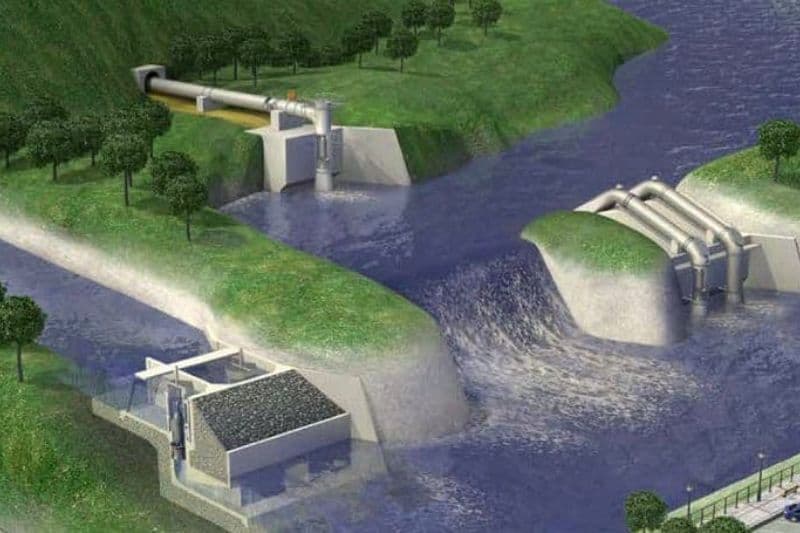
Small Hydros
Students will learn various aspects of hydro energy resource assessment, conversion process, applications and economics of energy generation. Students will practice to design small hydro turbines on a scale suitable for energy needs for local community, or to contribute to distributed generation in a regional electricity grid. The specific applications include water pumping and lighting. Students will participate in practical analysis of hydraulic resource available in a particular location for small hydros.
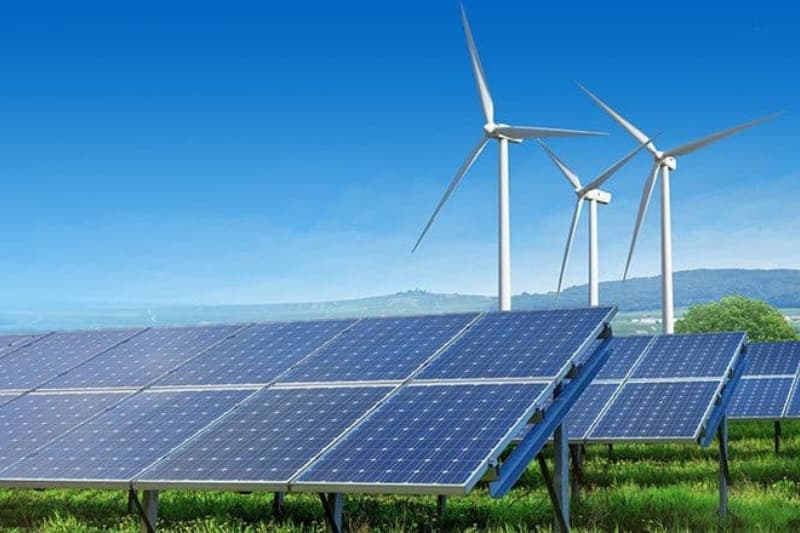
Solar & Wind Energy
Students will learn about solar and wind energy conversion processes, system design and applications for provision of energy services. Students will practice the sizing and optimization of solar and wind systems using laboratory trainer rigs and computer simulation models. They will analyse techno-economic and social aspects of solar and wind energy systems under different configurations using laboratory models and computer programs.
Bio-Energy
The course is designed to prepare students for designing, selecting and optimizing the bioenergy systems and develop competency for research in bioenergy. Students will learn about biomass as an energy source and the energy conversion potential of different biomass feed-stocks. This course covers sustainable bioenergy production and bioenergy conversion systems and applications. Students will be able to critically appraise the sustainability of various biomass energy production routes.
Energy Entrepreneurship
The purpose of the course is to enable students to identify business opportunities, organize and carry out entrepreneurial activities, business planning, growth development and exit strategies. The student will learn how to design business models and develop marketing strategies for new entrepreneurial ventures in the energy sector.
Markets & Policy
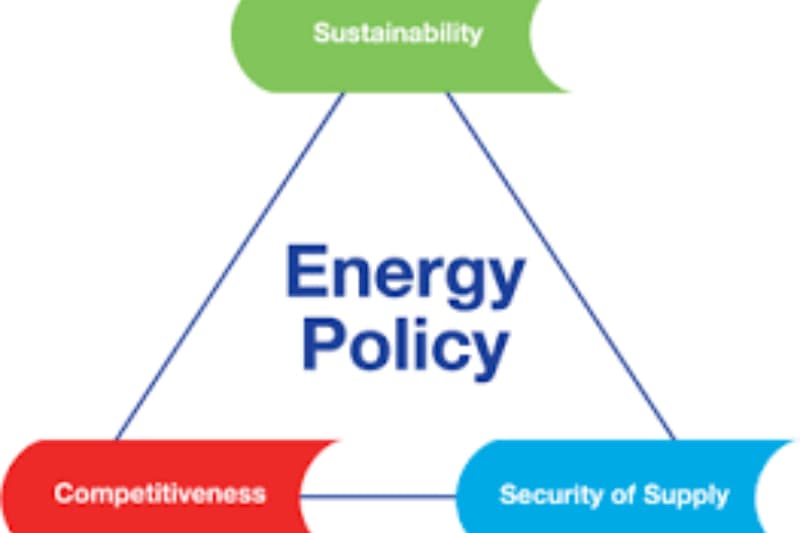
Student will take a broad view of the national and global markets for renewable and non-renewable energy and the governing policies and regulations. A major goal of the course is to help students understand how market design, market institutions, and regulatory structures affect firm-level decision-making in the energy industries and ultimately, how these decisions affect the functioning of energy markets and the prospects for alternative technologies for energy access. The impact of climate regulations on energy markets shall also be reviewed
Community Engagement
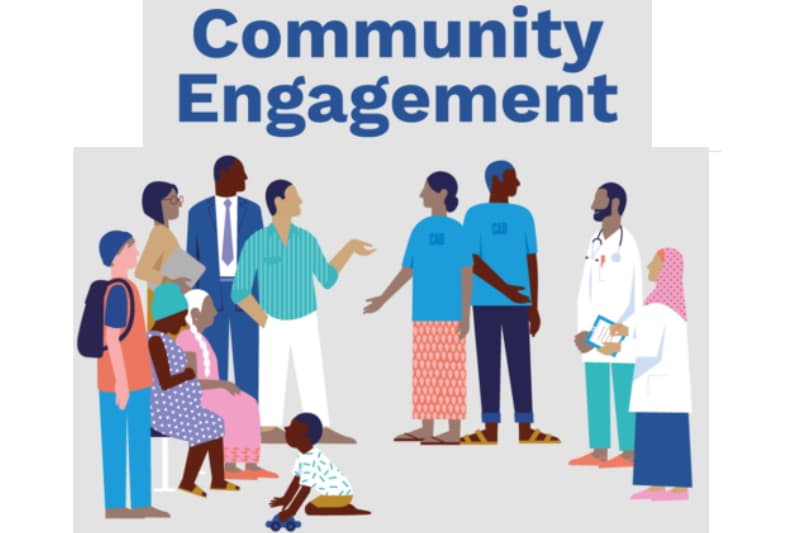
Students will learn to implement the best practices and social engagement processes for successful adoption of energy technologies. They will develop critical thinking towards better management of community driven initiatives for energy access and livelihood improvement in the communities. Students will have an opportunity to apply core aspects of the theory of community engagement in a way that promotes critical understanding of community-energy-development nexus. They will gain practical and real life understandings of key issues of energy access and demand pattern in the communities through review and field exploratory activities. Finally, students will practice to design and implement appropriate community engagement tools and strategies to enhance access to energy products and services.